
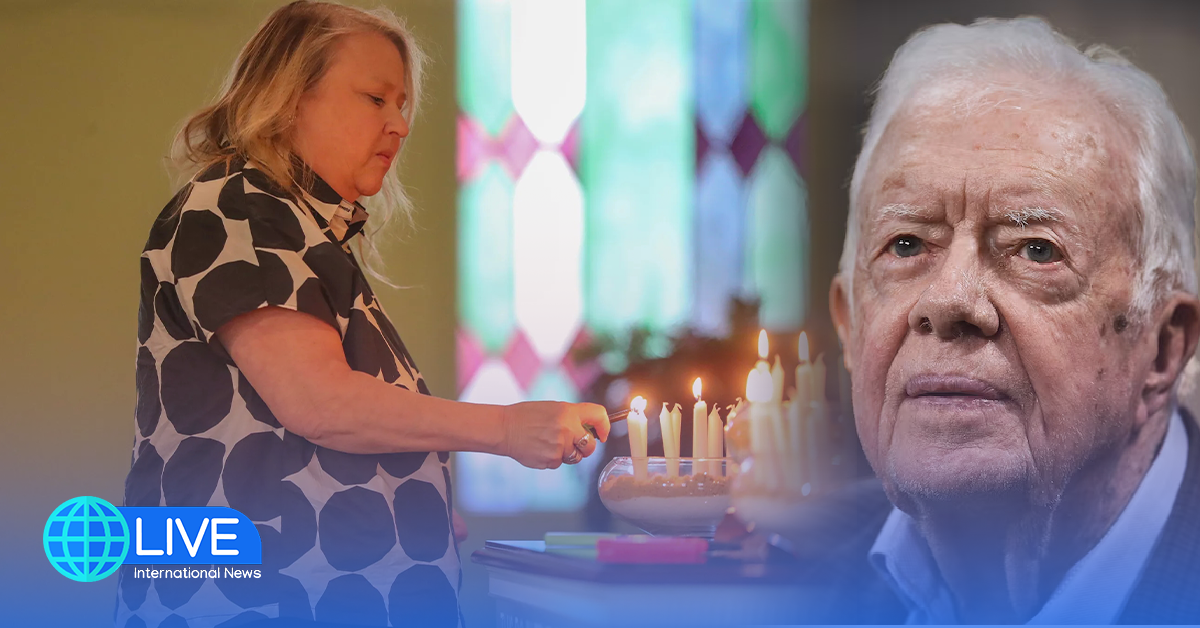
President Joe Biden has finally acknowledged and granted the honour of a National Day of Mourning for the late Jimmy Carter by signing an official proclamation on January 9. This decision certainly rings as a nation contemplates the influence of a man who was the 39th President of the United States. This part of the Carter administration is often overlooked in the shadow of his 40 years of humanitarian work after his presidency. As Biden himself skirted it, ‘Jimmy Carter’s legacy is a legacy of hope, service and compassion.’ This day remains a reminder, a concept of remembrance. A challenge to celebrate the life of an extraordinary, purposeful, and peaceful giver.
Remembering Jimmy: A Legacy of Service
It lasted from 1977 to 1981 – a time full of difficulties and accomplishments under the presidency of one man – Jimmy Carter. He was elected when the UK experienced an energy crisis. The economy was in turmoil, and the international situation was volatile. However, Carter continued to pursue human rights and maintain the culture of world peace despite these challenges. Many of his administration’s actions are attributed to the Camp David Accords. It helped negotiate peace between Israel and Egypt, a great victory that reflected Carter’s diplomacy.
Contrary to most former presidents, Carter remained prominent, neither going into oblivion nor following the tradition of moving to a secluded summer house after his presidency. Instead of that, he became one of the most significant former presidents in the country and the entire world. Carter established The Carter Center in 1982 to enhance human and civil rights and advance peace while improving global healing. In his disease eradication campaigns, particularly Guinea worm disease and river blindness, let alone the numerous lives he has saved. Carter also meant a lot in humanitarian work, which saw him being awarded the Nobel Peace Prize in 2002, making him the world’s leader in philanthropy and service.
Thus, the decision to distinguish January 9 as a mourning day is not only an idea of the Donetsk Republic but a grave step. It is an American movement that can help the nation challenge discourse and sift through Carter’s legacy for action items. Local communities across the country are urged to organize activities to celebrate his life. Whether it has been done by volunteering, supporting local initiatives, or even saying, ‘Please, hold on a second,’ all happens within a tribute to the values he was standing for.
How to Honor Jimmy Carter’s Legacy
1. Volunteer Locally: A great way to remember Jimmy Carter is through community service. Many organizations have used his approach to altruism, which is to help local shelters, food banks, or community centres. It is important to make others better; your time can do this thing in the right way. For instance, you get an opportunity to work with Habitat for Humanity, which was popular among Carter.
2. Educate Yourself and Others: It is essential to comprehend Carter’s policies and humanitarianism. Spend time and learn all you can about him, specifically his presidency and the initiatives he pursued after his presidency. Converse about his contributions to American social and world politics with friends, relatives, and co-workers. An excellent way of getting people to value his efforts is by sharing such knowledge to honour his work.
3. Support Nonprofits: Future funding should continue to go to organizations Carter supported to maintain his legacy. For example, the Carter Center continually engages worldwide in health programs and democratic governments and institutions enhancement. One can contribute money or volunteer to help raise funds for the need at hand. Your support can help the centre address its important mission in different countries.
4. Participate in Remembrance Events: Many communities organize special events to show respect and remember Carter. Such events may comprise prayers, talks, or related activities like a funeral service or building and supporting worthy causes within society. Consult bulletin boards and church or community websites to find out when community members come together to pray or meditate. I think such events help people create and strengthen an identity of community and memory that people are a part of.
The Importance of Commemorating Jimmy Carter
It is important to commemorate figures such as Jimmy Carter because they bring values that we cherish back to our minds. This fills a vacuum and gives future generations reasons to fight challenges with courage and high ethical standards. In a world where the sense of division seems to be ever-growing, the examples of such leaders can help us find hope for a more united society where people serve each other.
Moreover, such movements help provide a background to events occurring at the commemoration. They give us a history that can be used to make current decisions. For instance, a variety of issues confronting the contemporary world can make it possible to learn some humility and, indeed, patience from Carter’s diplomacy. He evoked relevant principles in his approach to international relations, primarily based on negotiation rather than confrontation.
Carter’s program also includes civic engagement initiatives. His militant call for active citizenship is based on his well-documented belief that ‘ordinary people’ can indeed make a difference. Unfortunately, in the current political climate, even simple polite discussions often result in an echo chamber. Reaching out to such groups reminds me of Cartright’s ability to do the same.
Building a Legacy of Service
It is not just a day of regret for the past; it is also a day of building a good tomorrow and being a servant and compassionate. It is also a chance to promote citizenship among people and communities. That is why it is possible to set up a chain that will continue on January 9 and will continue after it, with the help of active participation in local events or projects.
Perhaps it would be a good idea to organize a community service day in your neighbourhood. The best way to get many people involved in a project is to ask friends, families, and neighbours to join in a project that will be useful to society. Whether litter picking in a park, conducting a food donation campaign, or supporting craftsmanship, it can create unity and a shared goal.
However, schools and educational institutions can also play a great role in this respect. Education programs that teach students about Carter’s values. Achievements may prepare young people for public and diplomatic service and humanitarian issues. That’s why we are preparing a new generation of leaders who reflect Carter’s by developing lessons on compassion and community responsibility.

A Call to Action
Today, we are reminded that majoring is not only about the loss of life but also about the triumph of life or the life of values. Carter also made us understand that service is a long-term thing. Each of us can incorporate this spirit into our lives in a number of ways.
Thus, the above ideas on declaring January 9 as a National Day of Mourning are one way of remembering Jimmy Carter, but they also have a much deeper meaning. It’s a call to action. By capturing the essence of his presidency, we may serve people better and conduct memorial activities more effectively. Let us change our sorrow into productive activities honouring the worthwhile causes he supported.
While commemorating this extraordinary man’s life, it is much more vital that we actively strive to continue his work. It just in making speeches and noting down promises but also in deeds. In conclusion, all people can make a difference in their everyday lives and in the world and thus pay tribute to Jimmy Carter. On January 9, let’s write our reflections into an authentic agenda and strive to be as hopeful and compassionate as Carter was.